Monday, August 15, 2011


Saturday, August 13, 2011
Photos of Saint Paul Church, in Highland, Illinois
HERE ARE PHOTOS of Saint Paul Church, in Highland, Illinois. This modernist church, built in 1951, is in the Diocese of Springfield. It is located in Madison County, about 32 highway miles east of downtown Saint Louis. I took these photos in April of this year, during Lent.

According to the church's website:
The Catholic Parish of Highland, IL is but a few years younger than Highland itself. In December 1843, the Catholics in and around Highland (a village of 60 families) decided to build a frame church. The cornerstone was laid on May 1, 1844 and was ready for occupancy in 1846. In 1854, a new brick church was built and on Easter Sunday, 1856, the first services were held. In 1951, the second church was raised to make room for a much needed larger church with a seating capacity of 800. On October, 12, 1952, the dedication of the present church was held. Through the years, St. Paul’s has grown to meet the needs of its congregation. Today, the parish serves more than 5,000 area Catholics.Until 1843, this area was in the Diocese of Saint Louis, under Bishop Joseph Rosati, C.M. When the original church was completed, it was a part of the new Diocese of Chicago. The parish's fifth priest, Fr. Joseph Meckel, wrote an early history of the church, in German.
St. Paul School System provides Catholic education of children from pre-school through eight grade. The current grade school was constructed in 1956, with a major renovation in 1993. In 2009 a restoration project relocated the tabernacle and crucifix to behind the altar.
In 1995, the former St. Paul High School was renovated to better serve St. Paul Parish. The building is now used for the Religious Education Program, meetings, parish gatherings, gymnasium, and cafeteria.

Saint Paul's is one of the largest parishes in the Diocese, with four Sunday Masses and about 5300 members in 1800 families.
According to the Highland Historical Society:
Highland, Illinois is one of the oldest Swiss settlements in the United States. It was founded in 1831 by Swiss pioneers from Sursee, Switzerland. Led by Dr. Kasper Koepfli, the party formed the settlement of New Switzerland on October 14, 1831. Our city has shared the title of "Sister City" with the town of Sursee, Switzerland, since 1976. The name Highland was chosen in 1836 when General Joseph Semple convinced the settlers the area resembled his native homeland of Scotland.

The sanctuary decorated for Lent.

The tabernacle, which shows the Holy Spirit as a dove descending, along with the Eucharistic symbols of wheat and grapes; on the base is the pious pelican, which feeds its starving young by piercing its breast with its beak, as a symbol of Christ's self-sacrifice.

The church's patron is Saint Paul, the Apostle to the gentiles. This window shows Saint Paul's occupation as a tentmaker. He is also shown holding the sword of his martyrdom. Note the quill and book, representing Paul's many epistles.

The conversion of Saint Paul. Christ asked Paul, “why are you persecuting me?” The windows here show a sailboat, symbolizing Paul's extensive missionary voyages.

Christological symbols in the windows: the Greek Ichthys or fish on the left, an early symbol of Christ; and the ball and crosses and crown representing Christ the King. On the far right is a station of the cross: Christ in the tomb.

The church's cornerstone.
SAINT PAUL
CHURCH
AMDG
1951
✠
CHURCH
AMDG
1951
✠
AMDG is an abbreviation of the Latin ad majorem Dei gloriam, “for the greater glory of God”.

The parish hall.
The church is well-known for its annual Kirchenfest, or church festival, to be held on August 27 and 28, 2011.
Address:
1412 Ninth Street
Highland, Illinois 62249
Thursday, August 11, 2011
Oratory Billboard
A BILLBOARD, advertising the Latin Mass at Saint Francis de Sales Oratory, in Saint Louis:

This billboard is located at the Kingshighway Boulevard overpass just south of Interstate 44. It includes the church's restoration website, TraditionForTomorrow, and phone number, (314) 771-3100. On the left of the billboard is shown a monstrance:

This monstrance is original to the church, and includes a figure of Saint Francis de Sales.
Clara claris praeclara
SAINT CLARE is greatly to be honored; here are excerpts from her canonization:
CLARA CLARIS PRAECLARA meritis — CLARE OUTSTANDINGLY CLEAR WITH CLEAR merits, in Heaven with the clarity of great glory, and on Earth with the splendor of sublime miracles, is clearly clear. Here this Clare's strict and high Religion twinkles, above the greatness of this one's eternal reward radiates, this one's virtue by magnificent signs, begins to shine upon mortals. To this Clare there was entitled here the Privilege of most high poverty; to this one there is repaid in the highest an inestimable abundance of treasures; to this one by Catholics a full devotion and a heap of honor is exhibited. This Clare did her shining works here mark out, this Clare the plenitude of Divine Light on high does clarify, this one to the Christian peoples do the stupendous works of her prodigies declare.— from Clara claris praeclara, the bull of Pope Alexander IV, Bishop, servant of the servants of God, on the canonization of St. Clare of Assisi, Co-Foundress of the Poor Clares. Given on September 26, A.D. 1255.
O Clare, endowed in a manifold manner with titles of clarity! Before thy conversion thou were indeed clear, in thy conversion clearer, in thy comportment in the cloister outstandingly clear, and after having run down the space of thy present life thou has begun to shine as most clear! By this Clare a clear mirror of example goes forth to this generation; by this one the lily of virginity is offered among the heavenly amenities; by this one throughout the lands are the manifest remedies of interventions sensed. O clarity of blessed Clare to be admired, which as much as it is sought more studiously through individual examples, so much more splendid is it found among individual examples! This one gleamed, I say, in the world, in Religion she outshone; in her house she enlightened as a ray, in the cloister she flashed as lightning. She gleamed in life, after death she irradiates; she was clear on Earth, in the sky she shines back! O how great the vehemence of the light of this one and how vehement the illumination of this clarity of hers! This light, indeed, remained enclosed in secret cloisters, and outside it emitted sparkling rays; it was gathered together in a strict convent, and it was sprinkled upon the entire age; it was guarded within, and it flowed forth outside. For indeed, Clare lay hidden, but her life lay open; Clare was silent, but her fame shouted out; she was concealed in her cell and she was known among cities. Nor is it wonderful; because a light so enkindled, so lightsome, could not be hidden away so as to not shine and give a clear light in the house of the Lord; nor could a vessel of so many aromatics be put back and not fragrance and resprinkle the Lord's mansion with a sweet odor. Nay, since in the narrow recluse of solitude this one harshly ground down the alabaster of her body, the whole court of the Church has been filled full in every manner with the odors of her sanctity....
Saint Clare's feast is held today in the new calendar, and tomorrow in the old. The life of Saint Clare, from the Catholic Encyclopedia, is found here.
Wednesday, August 10, 2011
Autochrome
AUTOCHROME was the earliest practical method of color photography, created by the brothers Auguste Marie and Louis Nicolas Lumière, and first marketed in 1907.
A distinctive feature of Autochrome is its muted palette of colors, based on orange, green, and violet. While unable to duplicate many colors, such as bright red and blue, many thought that this process produced subtle, beautiful, and delicate images, while avoiding the garish color often found in newer methods. Autochrome remained popular, particularly in France, until the 1950s.
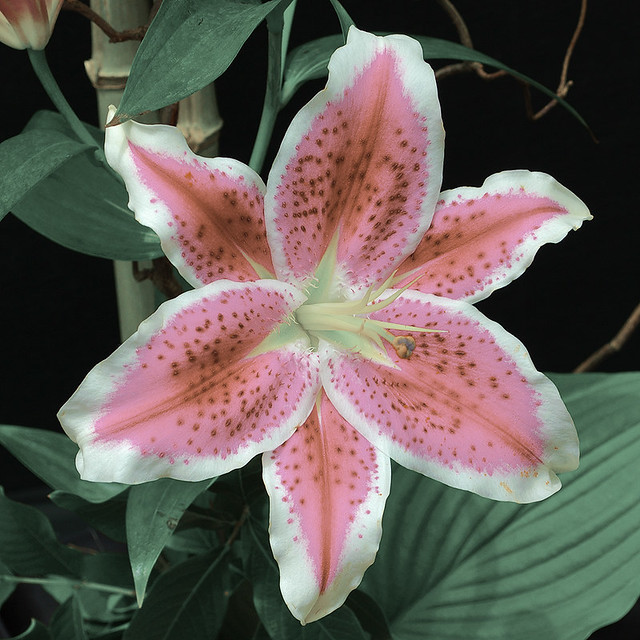
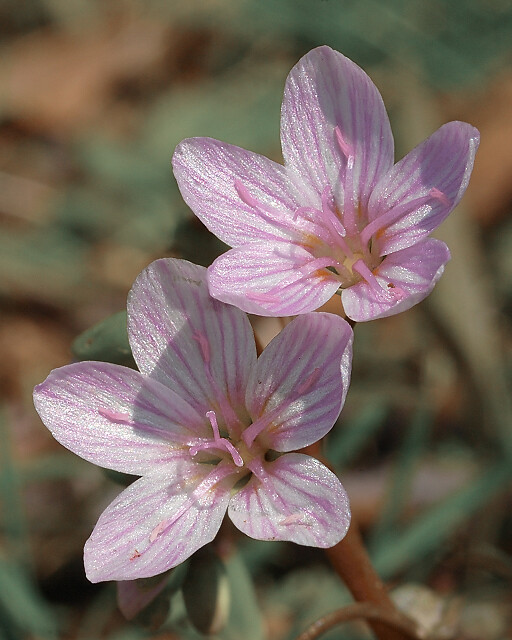
Here is my attempt to reproduce the color of Autochrome. I'm working on images like these for an exhibition.
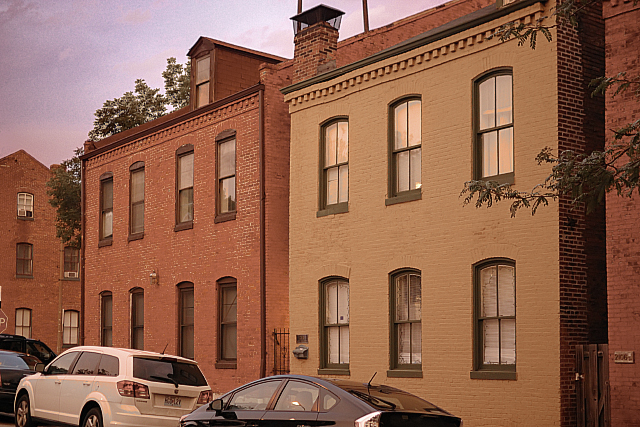
Buildings in the Soulard neighborhood of Saint Louis.
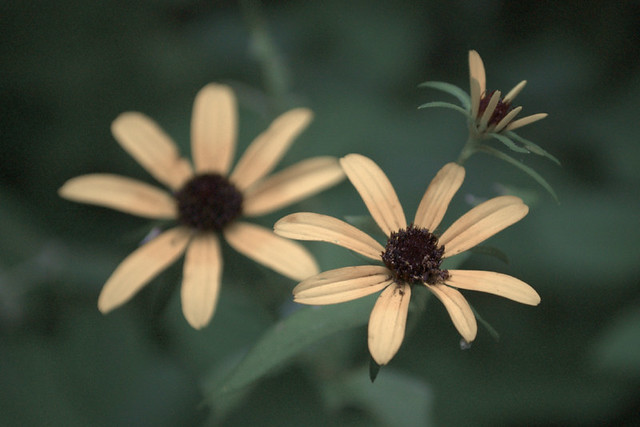
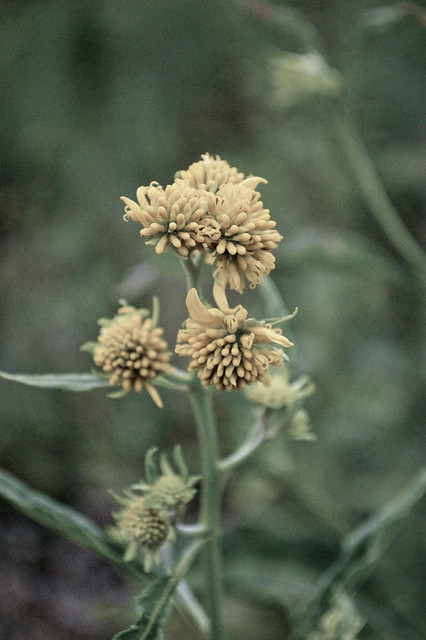
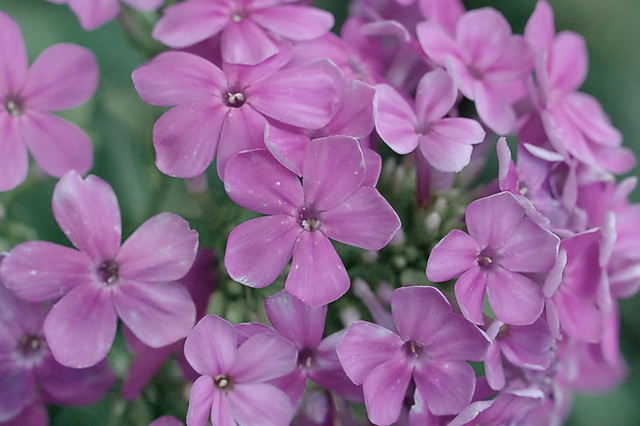
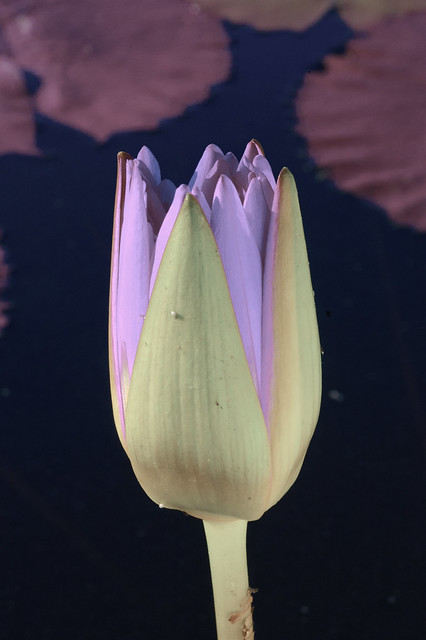
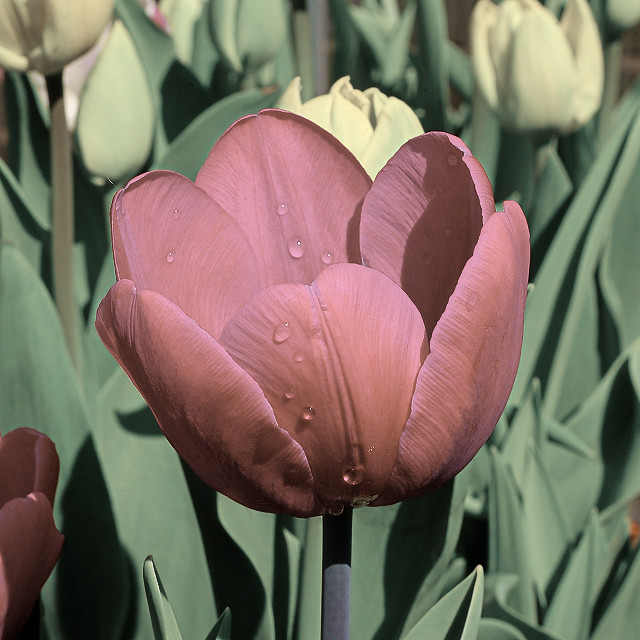
Autochrome can't show red.
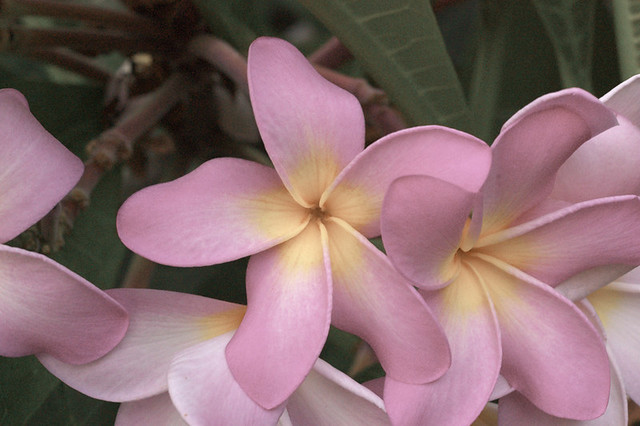
But Autochrome is famed for its subtle pink hues.
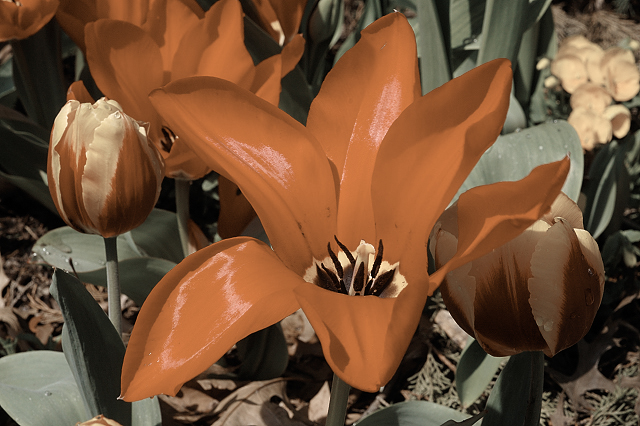
Red becomes orange.
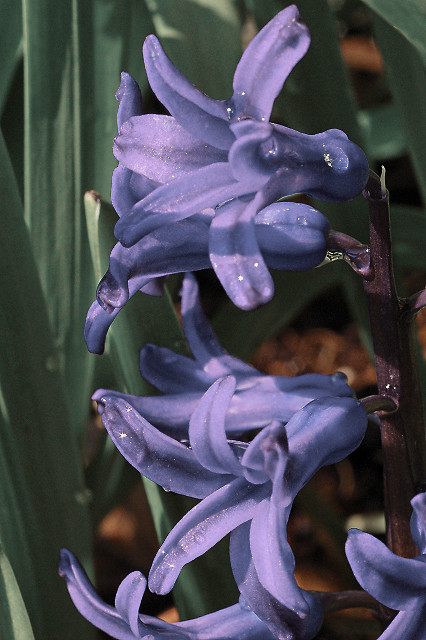
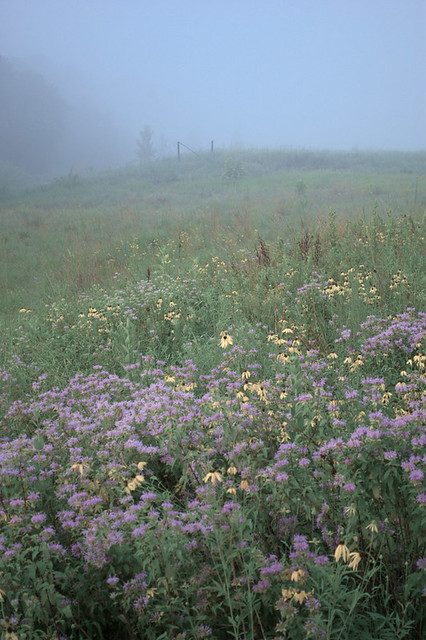
Cliff Cave County Park, in Mehlville, Missouri.
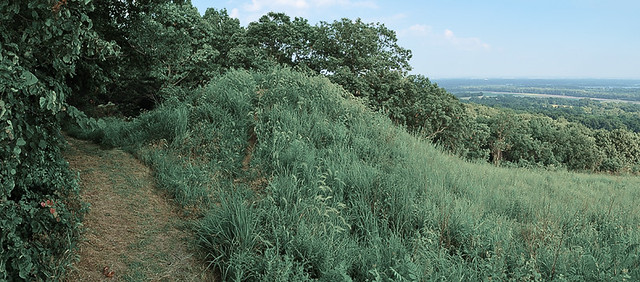
Indian mound at Pere Marquette State Park, near Grafton, Illinois.
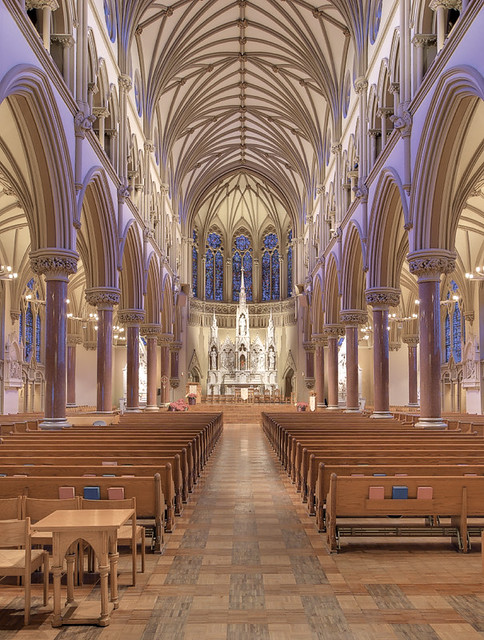
Saint Francis Xavier Church, in Saint Louis.
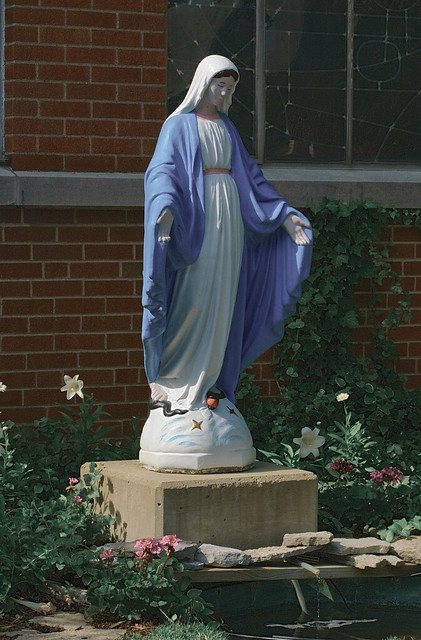
Holy Angels Church, in Wood River, Illinois.
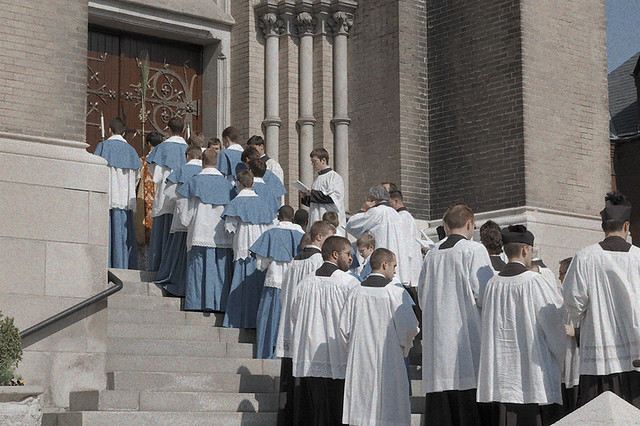
Saint Francis de Sales Oratory, in Saint Louis.
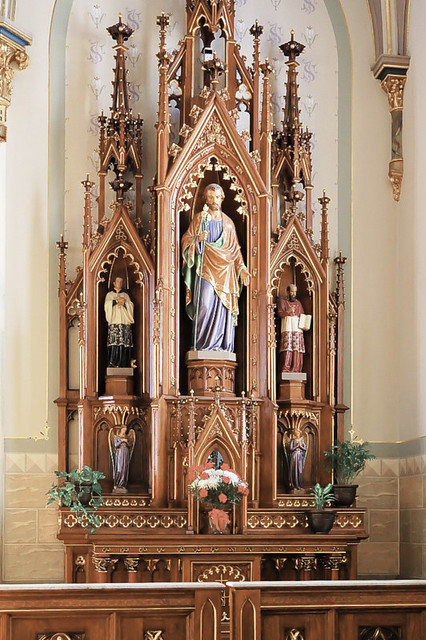
Saint Peter Church in Jefferson City, Missouri.
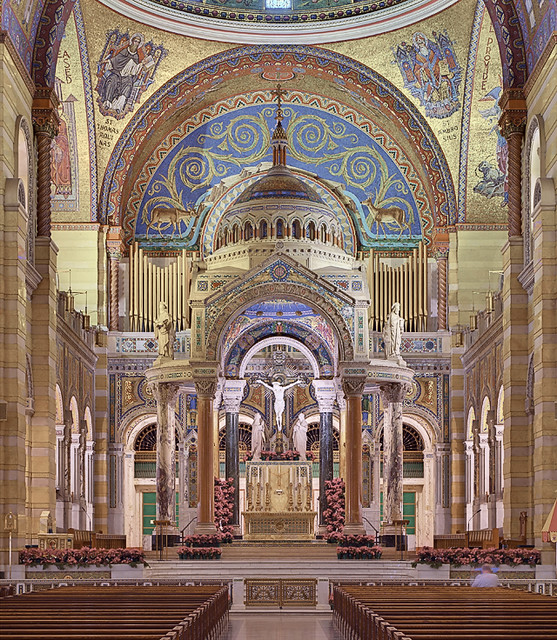
Cathedral Basilica of Saint Louis.
Subscribe to:
Posts (Atom)
