Pages

Friday, April 06, 2012

Good Friday

GOOD FRIDAY commemorates the passion and death of Our Lord Jesus Christ.

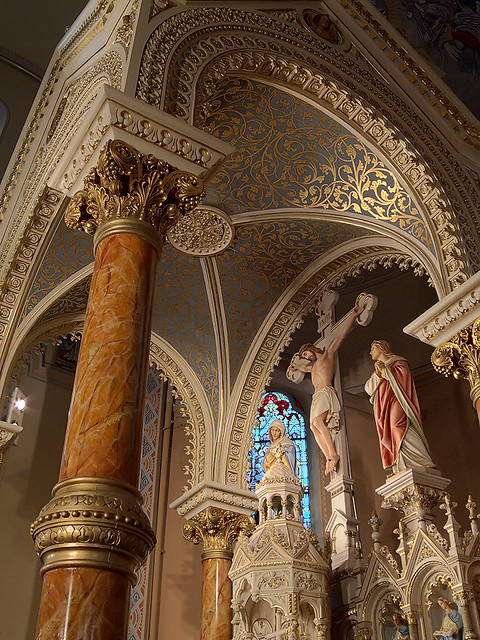
Here are some of my photos of church art that depicts the Passion.

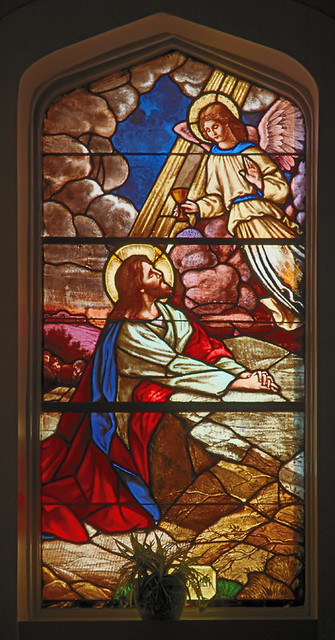
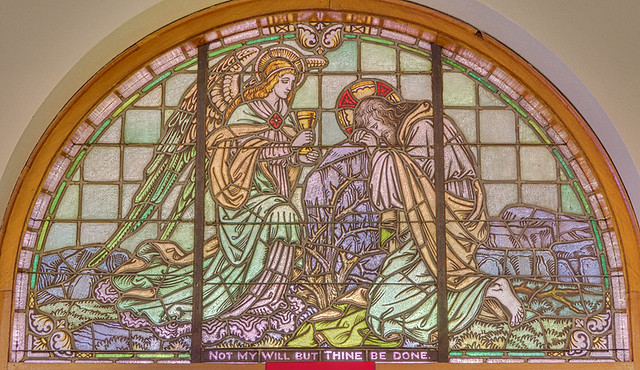
Saint Joseph Roman Catholic Church, in Louisiana, Missouri, USA - stained glass window of the agony in the garden

The Agony of Our Lord in the Garden of Gethsemane, at Saint Joseph Church, in Louisiana, Missouri. Photo taken in February 2011.

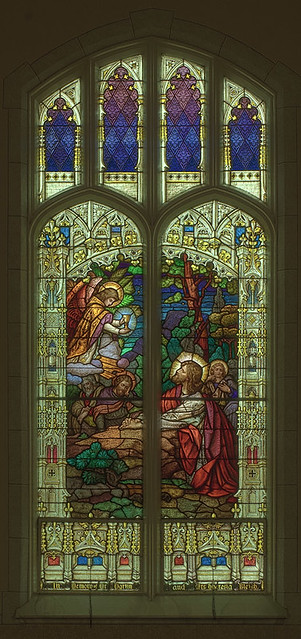
Saint Joseph Roman Catholic Church, in Freeburg, Illinois, USA - stained glass window of the Agony in the Garden

Saint Joseph Church, in Freeburg, Illinois. June 2009.

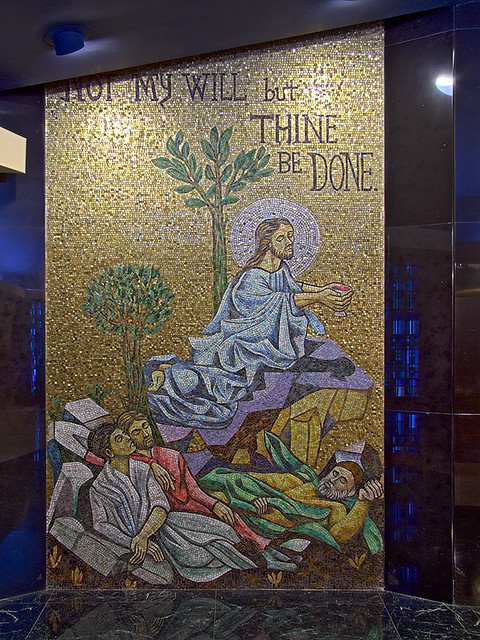
Christ the King Chapel, Shrine of Our Lady of the Snows, in Belleville, Illinois, USA - First Sorrowful Mystery, The Agony in the Garden

In Christ the King Chapel, at the Shrine of Our Lady of the Snows, in Belleville, Illinois. June 2008.

Immaculate Conception Roman Catholic Church, in Maplewood, Missouri, USA - stained glass window of the Agony in the Garden

Immaculate Conception Church, in Maplewood. May 2010.

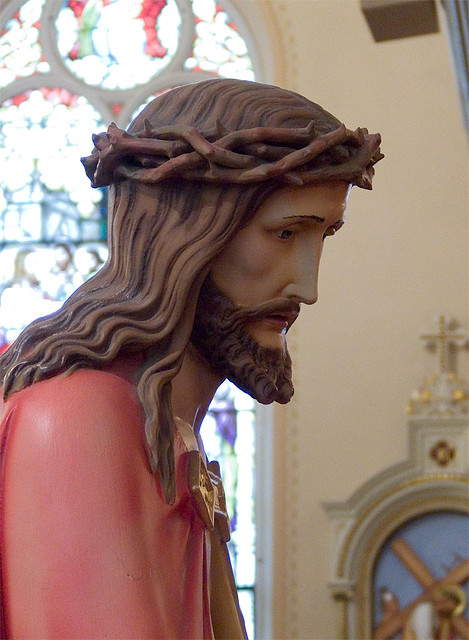
Saint Anthony of Padua Church, in Saint Louis, Missouri - Man of Sorrows

The Man of Sorrows. A statue of Christ after being scourged and crowned with thorns. At Saint Anthony of Padua Church, in Saint Louis. February, 2007.

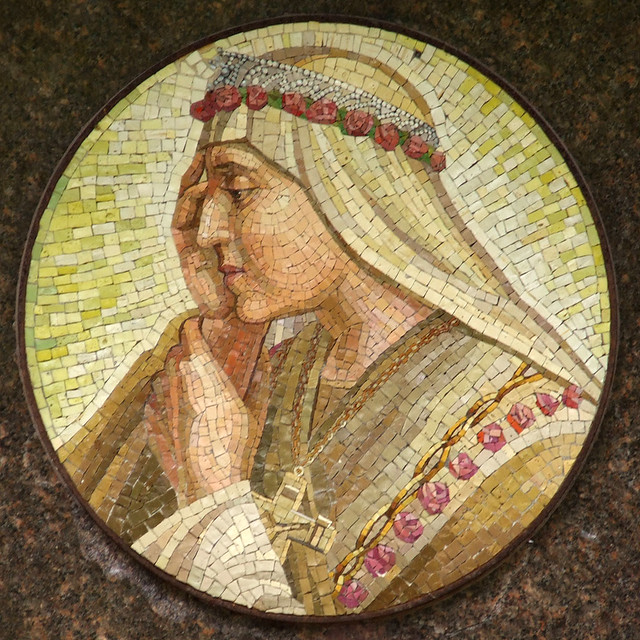
Shrine of Our Lady of Sorrows, in Starkenberg, Missouri, USA - mosaic of Mary.jpg

Mosaic of Jesus’ mother Mary, the woman of sorrows. On an outdoor altar at the Shrine of Our Lady of Sorrows, in Starkenburg. May 2007.

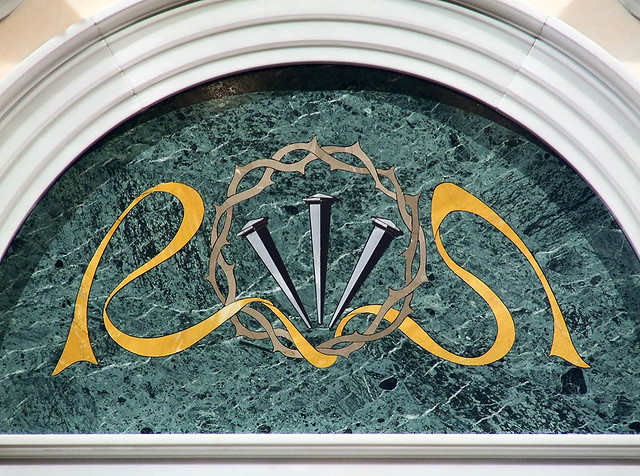
Shrine of the Sacred Heart at the Cathedral Basilica of Saint Louis, in Saint Louis, Missouri, USA - crown of thorns and nails.jpg

Crown of thorns and nails, at the Sacred Heart shrine of the Cathedral Basilica of Saint Louis. September 2007.

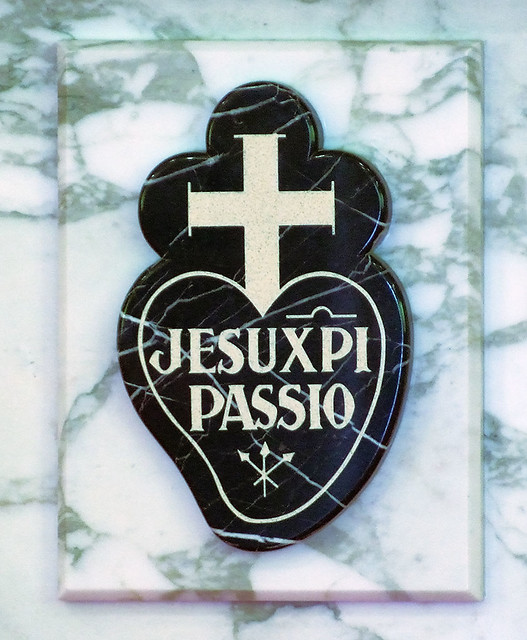
Passionists Nuns Chapel, in Ellisville, Missouri, USA - Passionists emblem.jpg

Sign of the Passionists depicts the three nails used to affix Christ to the Cross. The text, “Jesu ΧΡΙ Passio” is Greek and Latin for “The Passion of Jesus Christ”. At the Passionist Nuns Chapel, in Ellisville. April 2007.

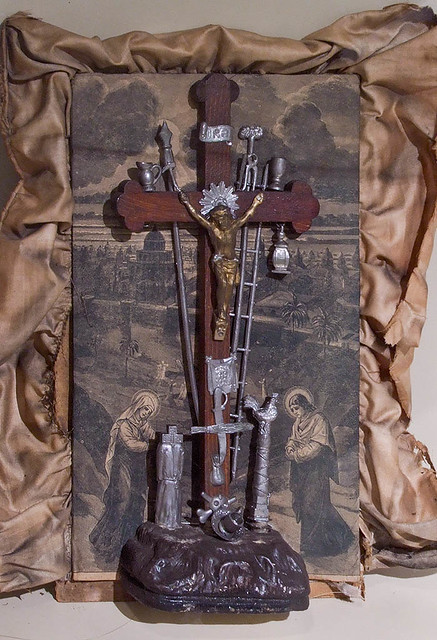
Museum of the Basilica of Saint Louis, King of France, in Saint Louis, Missouri, USA - Instruments of Christ's passion and death.jpg

The Arma Christi, or instruments of Christ's passion and death, at the museum of the Basilica of Saint Louis, King of France, in Saint Louis. August 2007.

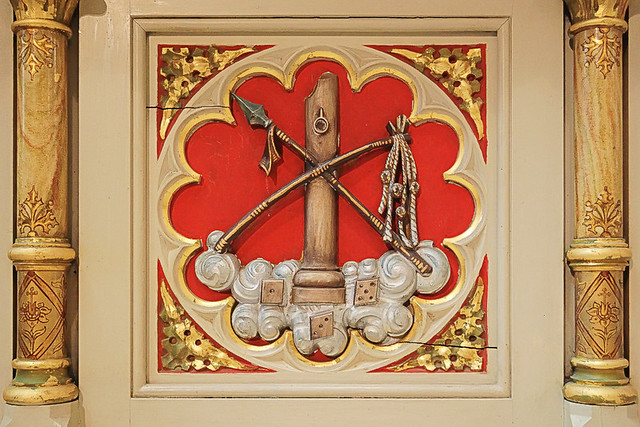
Saint Francis de Sales Oratory, in Saint Louis, Missouri, USA - Arma Christi

Arma Christi, at Saint Francis de Sales Oratory. April 2011.

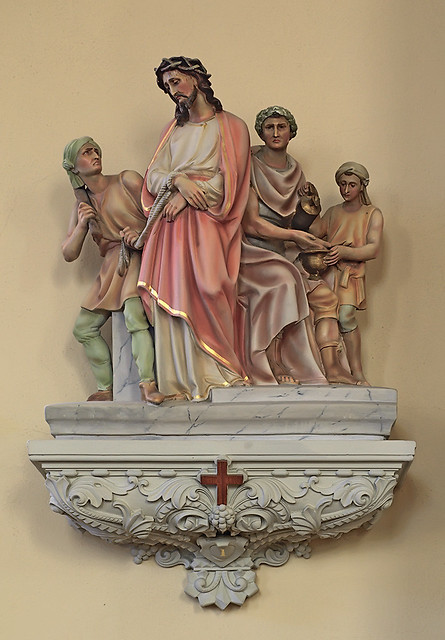
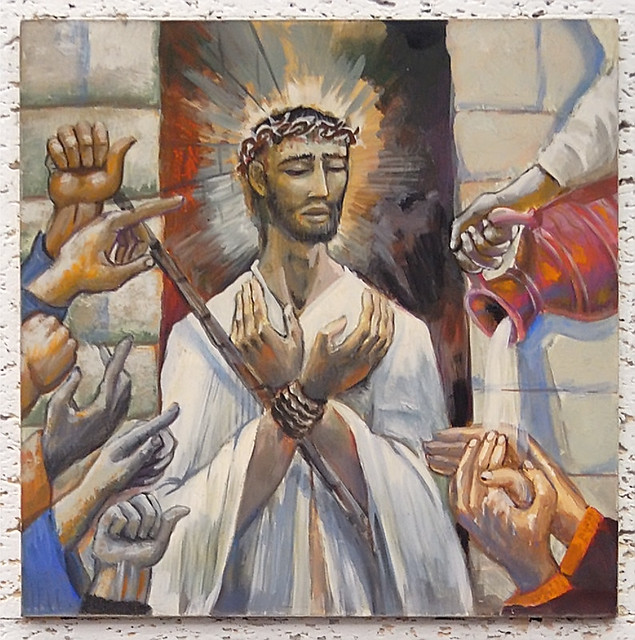
Saint Bernard Roman Catholic Church, in Albers, Illinois, USA - First Station of the Cross - Jesus is Condemned to Death

Pontius Pilate condemns Jesus to death. Saint Bernard Church, in Albers, Illinois. November 2008.

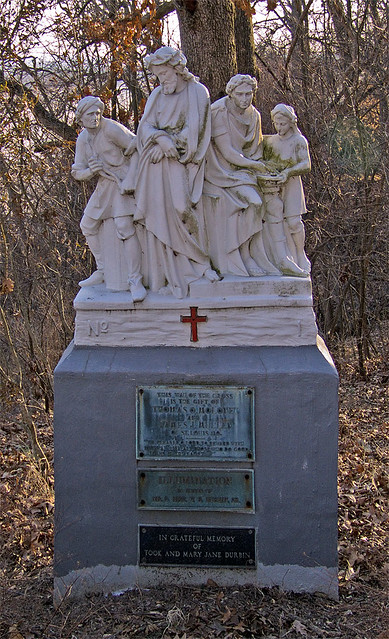
Saint Ann's Roman Catholic Church, in Normandy, Missouri, USA - First Station of the Cross, Jesus is condemned

Saint Ann Church, in Normandy. April 2009.

White House Retreat, in Oakville, Missouri - station of the cross.jpg

At the White House Retreat, in Oakville. February 2007.

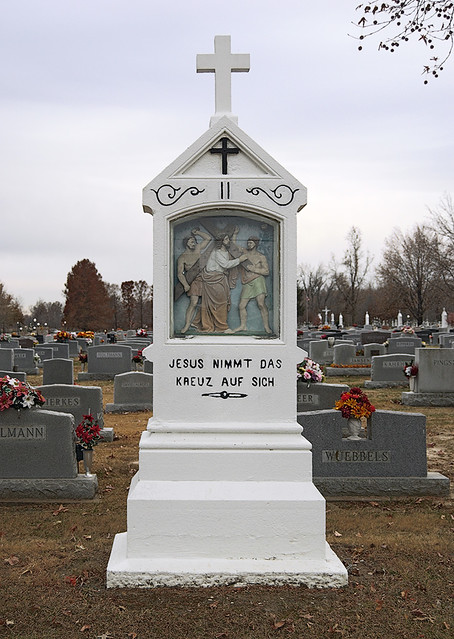
Saint Boniface Roman Catholic Church, in Germantown, Illinois, USA - second station of the cross, in cemetery

At the cemetery of Saint Boniface Church, in Germantown, Illinois. November 2008.

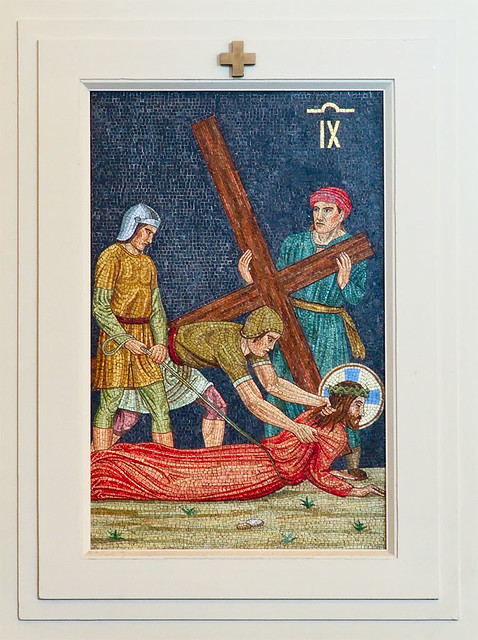
Cathedral of Saint Raymond Nonnatus, in Joliet, Illinois, USA - station of the cross.jpg

Jesus falls while bearing the Cross. Cathedral of Saint Raymond Nonnatus, in Joliet, Illinois. September 2007.

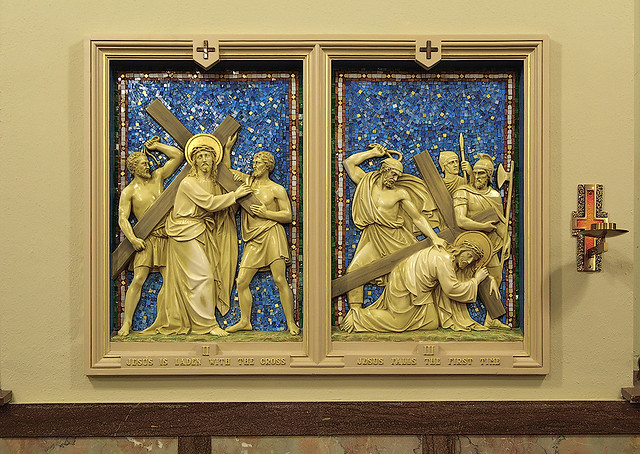
Saint Mary Roman Catholic Church, in Carlyle, Illinois, USA - 2nd and 3rd Stations of the Cross

At Saint Mary’s Church, in Carlyle, Illinois. November 2008.

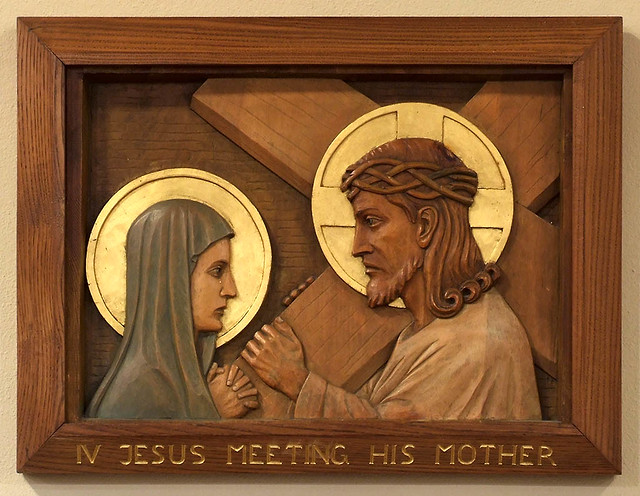
All Souls Roman Catholic Church, in Overland, Missouri, USA - station of the cross.jpg

Jesus meets His mother Mary. All Souls Church, in Overland. October 2007.

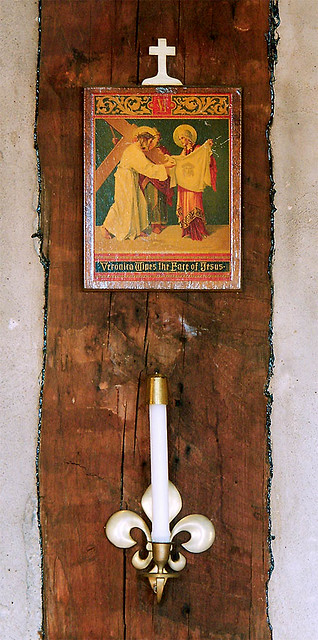
Holy Family Roman Catholic Log Church, in Cahokia, Illinois, USA - station of the cross.jpg

Veronica wipes Jesus’ face. At Holy Family Log Church, in Cahokia, Illinois. July 2006.

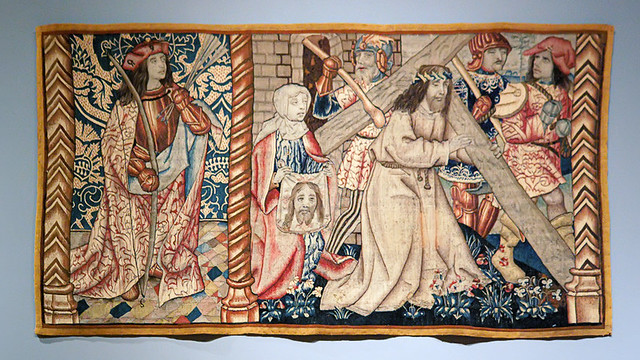
Tapestry of the Way of the Cross with Saint Veronica, at the Saint Louis Art Museum

Tapestry at the Saint Louis Art Museum. September 2010.

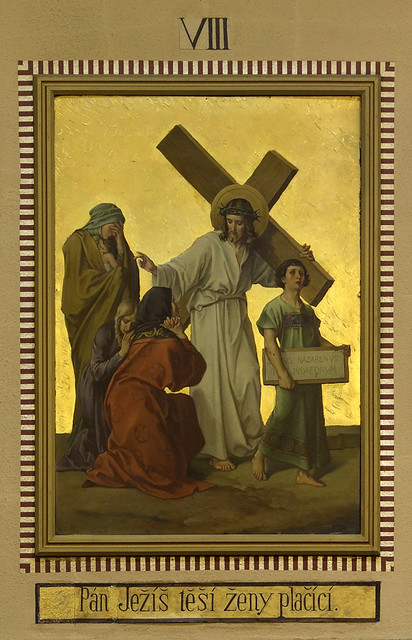
Saint John Nepomuk Chapel, in Saint Louis, Missouri - VIII station of the cross 2

Jesus meets the women of Jerusalem. Saint John Nepomuk Church, in Saint Louis. April 2007.

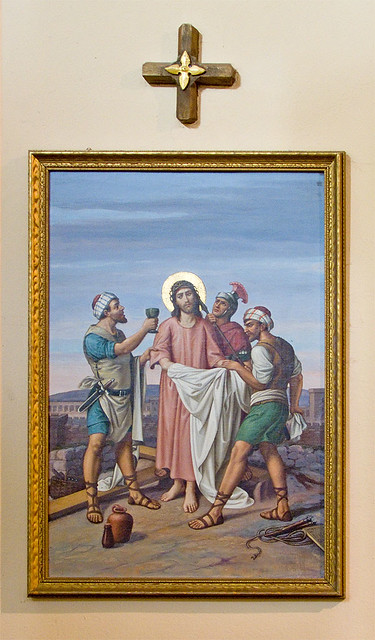
Saint George Catholic Church, in Hermann, Missouri - station of the cross.jpg

Jesus being stripped of His garments. At Saint George Church, in Hermann. November 2006.

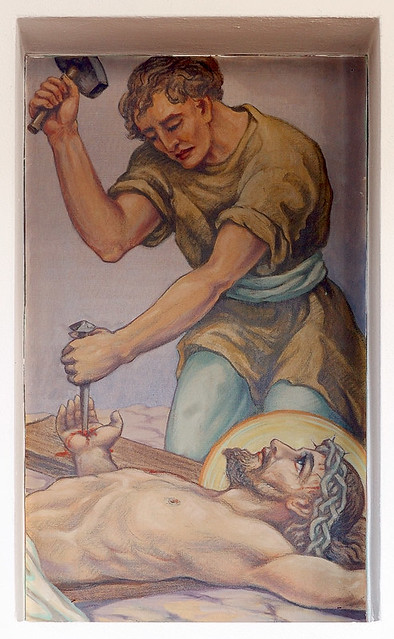
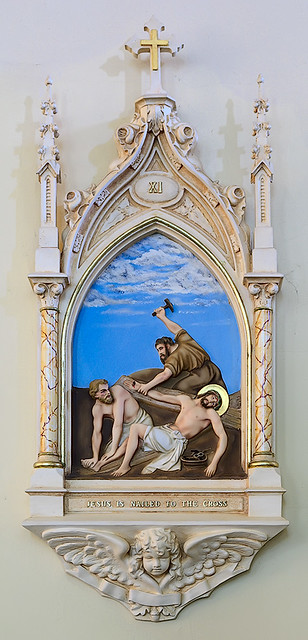
Saint Cecilia Roman Catholic Church, in Bartelso, Illinois, USA - 11th Station of the Cross, Jesus is Nailed to the Cross

Jesus being nailed to the Cross, Saint Cecilia Church, in Bartelso, Illinois. November 2008.

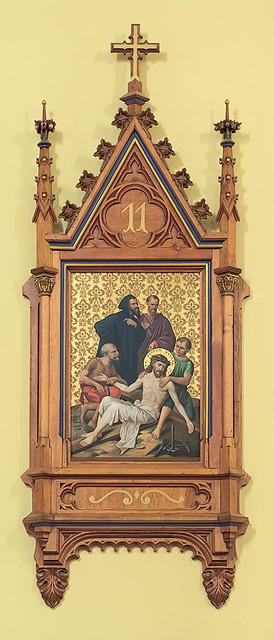
Saint Mary Roman Catholic Church, in Trenton, Illinois, USA - 11th Station of the Cross

At Saint Mary’s Church, in Trenton, Illinois. November 2009.

Saint George Roman Catholic Church, in New Baden, Illinois, USA - XIth station of the cross, Jesus is nailed to the cross

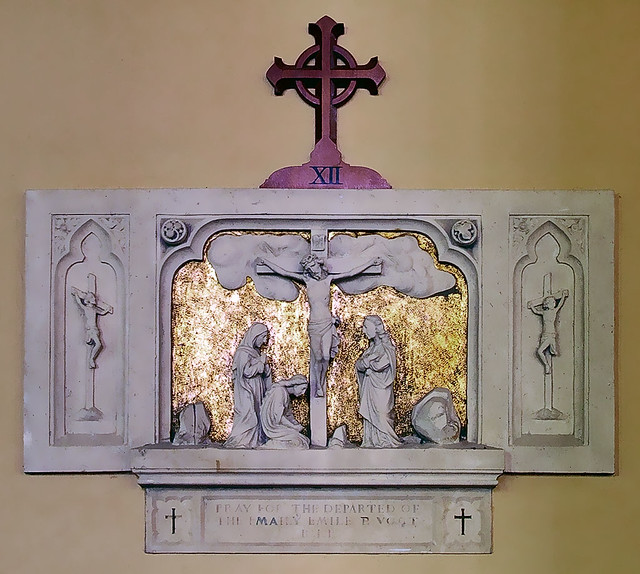
Saint George Church, in New Baden, Illinois. November 2008.

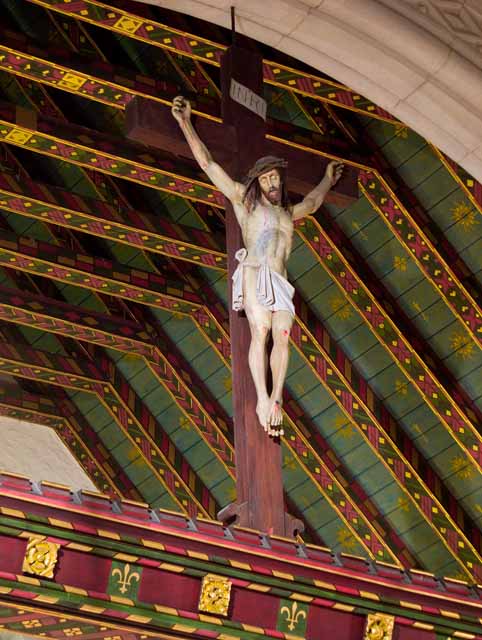
Our Lady of Lourdes Church, University City, Missouri - rood 2.jpg

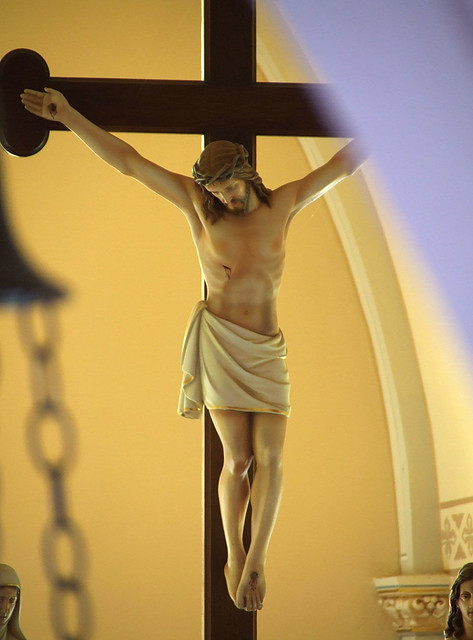
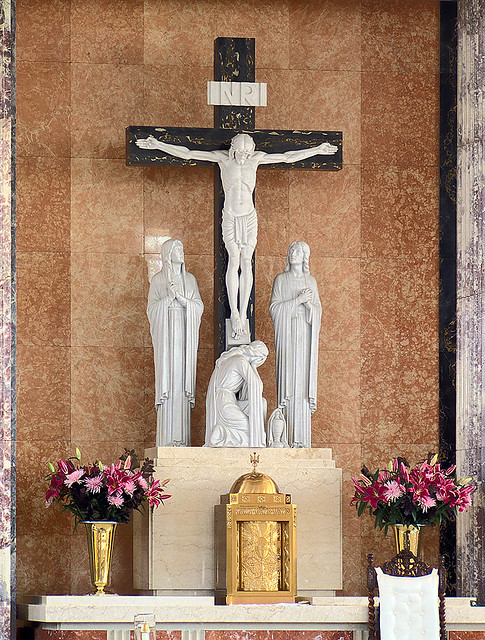
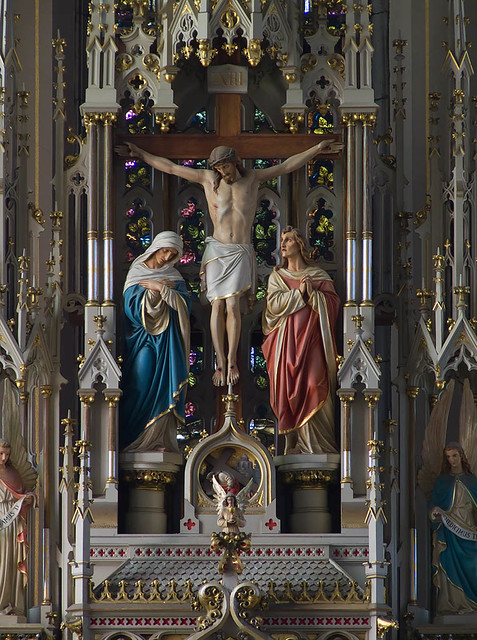
The Crucifixion of Our Lord, at Our Lady of Lourdes Church, in University City. September 2006.

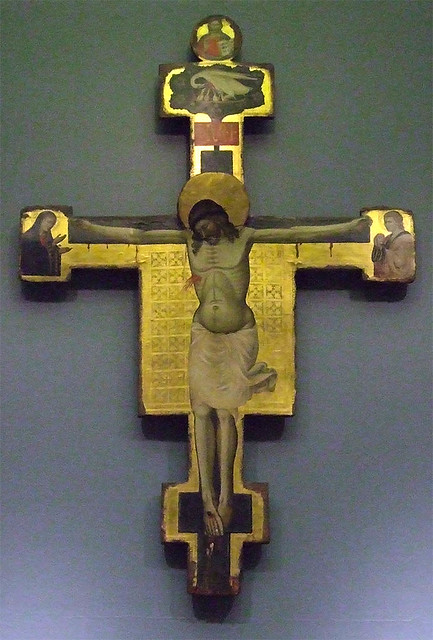
Saint Louis Art Museum, in Saint Louis, Missouri - crucifix.jpg

At the Saint Louis Art Museum. June 2007.

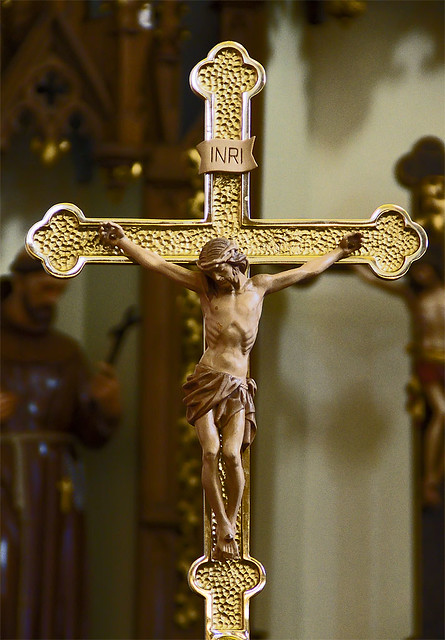
Saint George Catholic Church, in Hermann, Missouri - processional crucifix.jpg

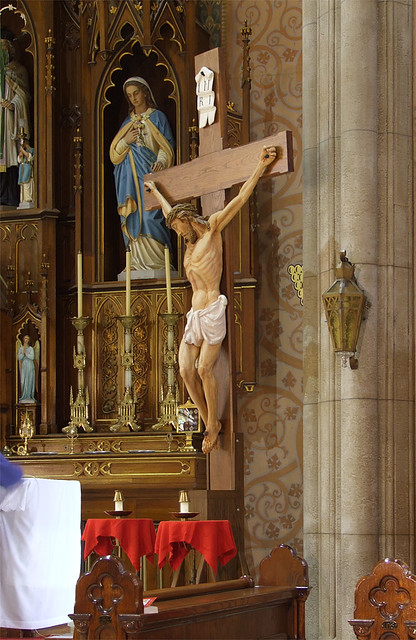
Processional crucifix, at Saint George Church, in Hermann. November 2006.

Saint Martin Roman Catholic Church, in Starkenberg, Missouri - crucifix.jpg

At Saint Martin Church, in Starkenburg. May 2007.

Saint John Nepomuk Chapel, in Saint Louis, Missouri - crucifix

Saint John Nepomuk Church, in Saint Louis. April 2007.

Immaculate Conception Roman Catholic Church, in Union, Missouri, USA - altar crucifix.jpg

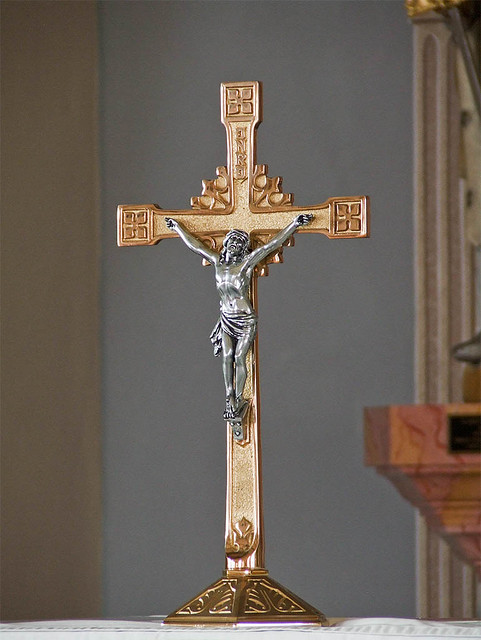
Altar crucifix, at Immaculate Conception Church, in Union. July 2007.

Mary Queen of Peace Roman Catholic Church, in Webster Groves, Missouri, USA - crucifix.jpg

At Mary, Queen of Peace Church, in Webster Groves. October 2007.

Saint Anthony of Padua Roman Catholic Church, in Saint Louis, Missouri, USA - crucifix

At Saint Anthony of Padua, in Saint Louis. May 2008.

Cathedral Basilica of Saint Louis, in Saint Louis, Missouri, USA - crucifix

Cathedral Basilica of Saint Louis. May 2008.

Museum of the Basilica of Saint Louis, King of France, in Saint Louis, Missouri, USA - crucifix.jpg

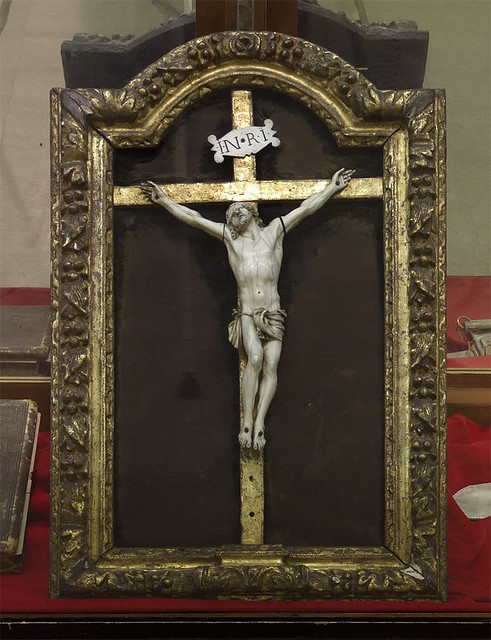
At the museum of the Basilica of Saint Louis, King. August, 2007.

Sainte Genevieve Roman Catholic Church, in Sainte Genevieve, Missouri, USA - station of the cross

Ste. Genevieve Church, in Sainte Genevieve. December 2007.

Saint Francis de Sales Oratory, in Saint Louis, Missouri, USA - crucifx.jpg

At Saint Francis de Sales Oratory. September 2007.

Saint James Roman Catholic Church, in Catawissa, Missouri, USA - crucifix.jpg

At Saint James Church, in Catawissa. October 2007.

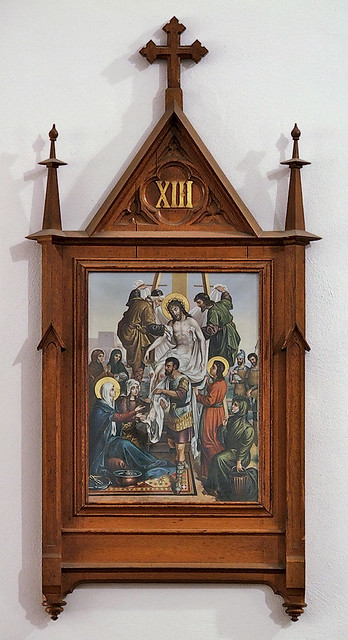
Saint Joseph Roman Catholic Church, in Apple Creek, Missouri, USA - Station of the Cross

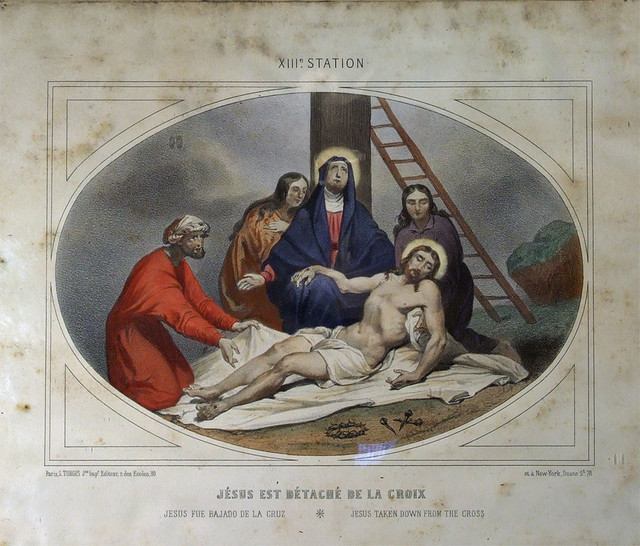
Jesus is taken down from the Cross. Saint Joseph Church, Apple Creek. December 2007.

Saint Louis University Art Museum, in Saint Louis, Missouri - Collection of the Western Jesuit Missions - station of the cross.jpg

From the collection of the Western Jesuit Missions, at the Saint Louis University Art Museum. December 2006.

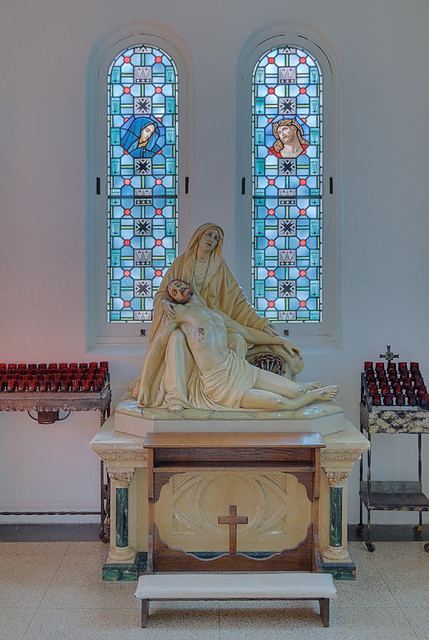
Our Lady of Sorrows church, Saint Louis, Missouri - altar of Mary

Mary holding Christ after being taken down from the cross. Our Lady of Sorrows Church in Saint Louis. October 2006.

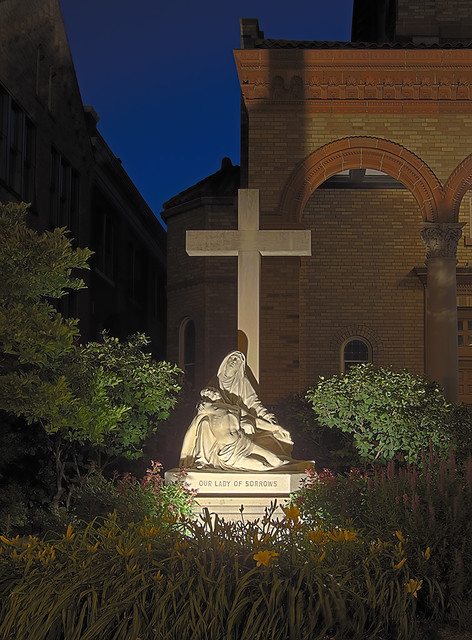
Our Lady of Sorrows Roman Catholic Church, in Saint Louis, Missouri, USA - statue

Our Lady of Sorrows Church. June 2008.

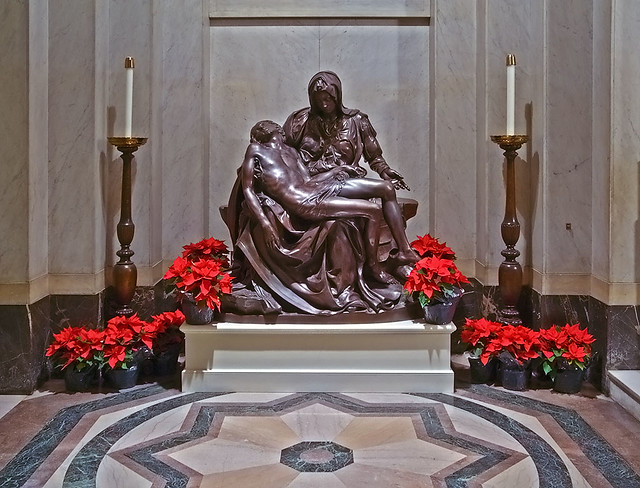
Cathedral Basilica of Saint Louis, in Saint Louis, Missouri, USA - Pietà, decorated for Christmas

At the Cathedral Basilica. January 2008.

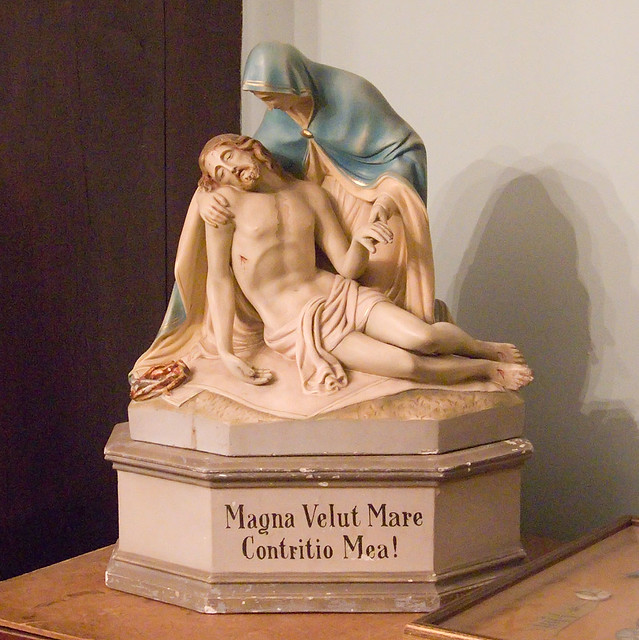
Old Saint Ferdinand's Shrine, in Florissant, Missouri - Pietà.jpg

At Old Saint Ferdinand's Shrine, in Florissant. December 2006. Magna velut mare contritio mea! This derives from the Lamentations of Jeremiah 2:13 — “To what shall I compare you? Or to what shall I liken you, O daughter of Jerusalem? To what shall I equal you, that I may comfort you, O virgin daughter of Sion? For great as the sea is your destruction: who shall heal you?

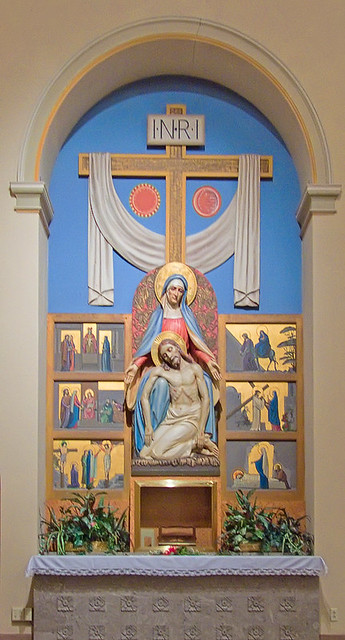
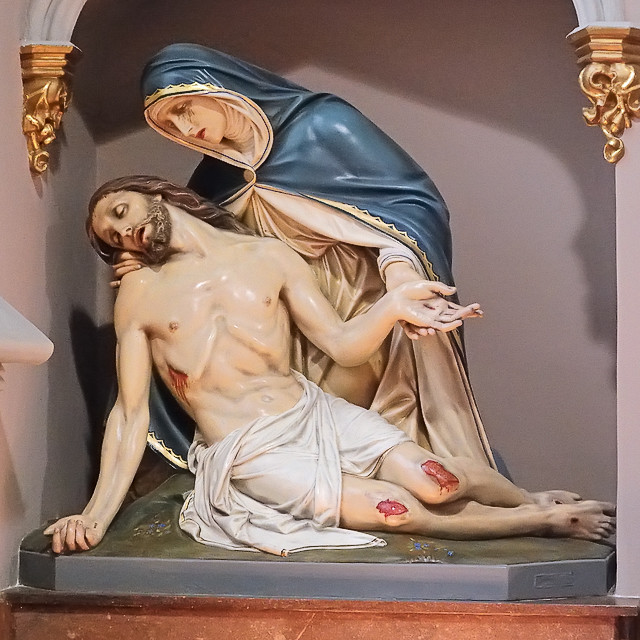
Immaculate Conception Roman Catholic Church, in Maplewood, Missouri, USA - Pietà

Immaculate Conception Church, in Maplewood. May 2010.

Saint Alphonsus Ligouri ("Rock") Roman Catholic Church, in Saint Louis, Missouri, USA - pieta

Saint Alphonsus Ligouri church, in Saint Louis. April 2011.

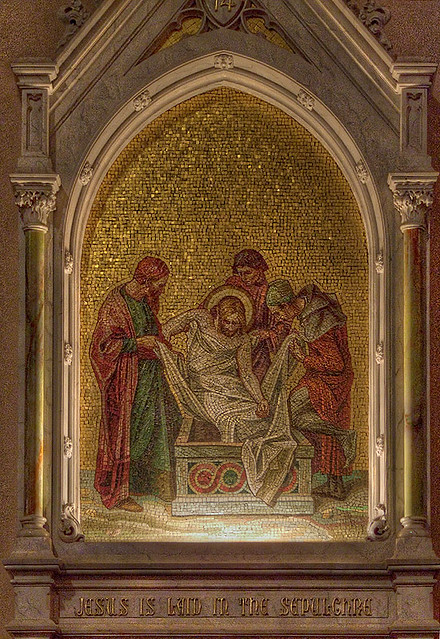
Saint Raphael Church, in Saint Louis, Missouri - station of the cross.jpg

Jesus being placed in the tomb, at Saint Raphael Church, in Saint Louis. November 2006.

Saint Mary's Catholic Church, in Alton, Illinois - XIVth Station of the Cross.jpg

Saint Mary’s Church, in Alton, Illinois. January 2007.

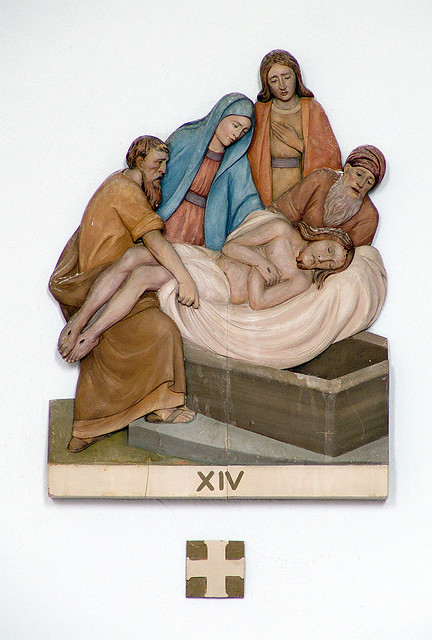
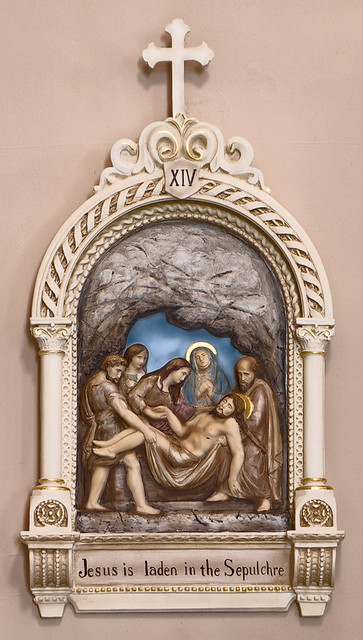
Saint Patrick Roman Catholic Church, in Grafton, Illinois, USA - XIVth Station of the Cross, Jesus is laden in the Sepulchre

Saint Patrick Church, in Grafton, Illinois. October 2010.

Please note that many of these photographs depicting the Passion of Our Lord were taken in the year 2007. My girlfriend Lisa died unexpectedly after a long illness during Holy Week of that year. I joined my suffering to that of Christ.

The World is Plunged into Darkness

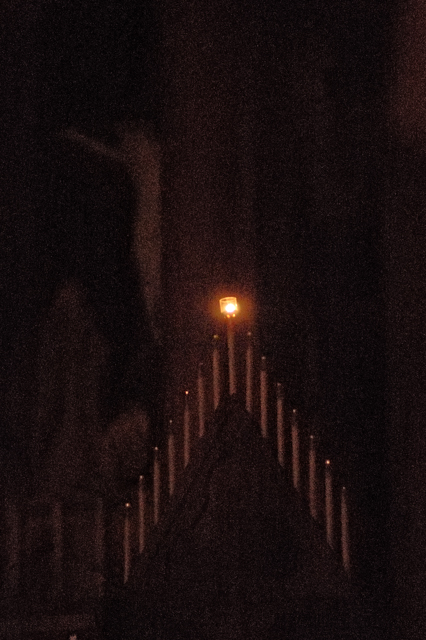
Cathedral Basilica of Saint Louis, in Saint Louis, Missouri, USA - single candle on hearse illumining sanctuary

A single candle illumines the sanctuary of the Cathedral Basilica of Saint Louis, after the liturgy of Tenebrae — The Office of Darkness — for Good Friday. Photo taken last night. The liturgy of Good Friday, commemorating the Crucifixion, is the bleakest of the entire liturgical year. An excerpt from the Office, from the Lamentations of the Prophet Jeremiah:
Aleph. I am the man who has seen affliction under the rod of his wrath.
Aleph. He has driven and brought me into darkness without any light.
Aleph. Surely he turns his hand against me again and again the whole day long.
Beth. My skin and my flesh he has made old; he has broken my bones.
Beth. He has besieged and enveloped me with bitterness and tribulation.
Beth. He has made me dwell in darkness like the dead of long ago.
Ghimel. He has walled me about so that I cannot escape; he has put heavy chains on me.
Ghimel. Although I call and cry for help, he shuts out my prayer.
Ghimel. He has blocked my way with hewn stones, he has made me desolate.
Jerusalem, Jerusalem, turn back again to the Lord your God.
Catholicism is neither nice nor is pleasant, for it is a religion of suffering and of spiritual warfare: “Though a thousand fall at your side, though ten thousand are dying around you...” ultimate victory is assured, but we must soldier on. As the single candle shown above symbolizes, the darkness will be overcome.
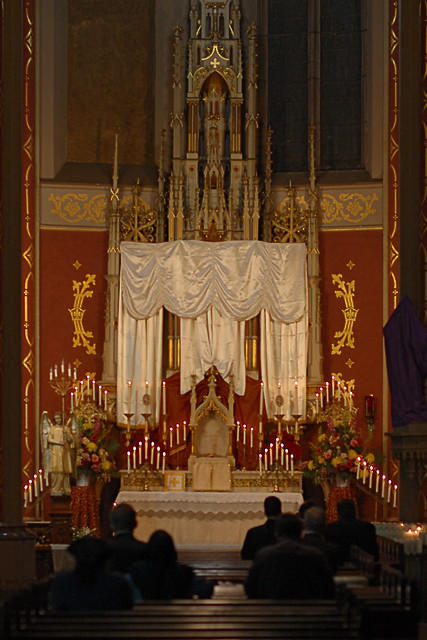
Saint Francis de Sales Oratory, in Saint Louis, Missouri, USA - adoration of the Eucharist on Holy Thursday

Adoration, near midnight, at Saint Francis de Sales Oratory, after the Mass of the Last Supper.

Thursday, April 05, 2012

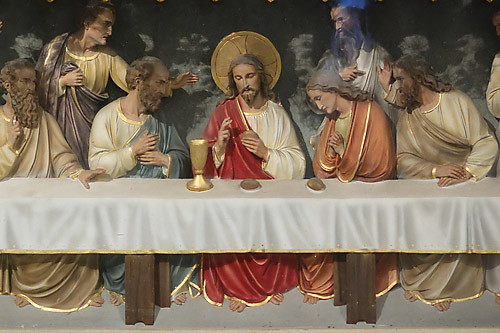
The Last Supper

HOLY THURSDAY commemorates the Last Supper, on the night before Jesus was betrayed; at this feast, Our Lord instituted the priesthood, the Mass, and the Eucharist, as well as giving us a new commandment, or mandatum: “That you love one another, as I have loved you. Greater love than this no man has, that a man lay down his life for his friends.” Our Lord also revealed that Judas was going to betray Him, and that Peter would deny Him. He also spoke about the Kingdom of Heaven, the coming of the Holy Spirit, the need to observe all the Commandments, and the coming persecution.

Here are some of my photos of artistic depictions of the Last Supper.

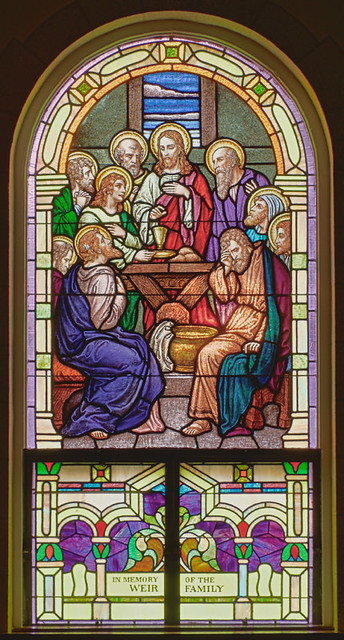
Holy Cross Roman Catholic Church, in Cuba, Missouri, USA - stained glass window of the Last Supper

Holy Cross Church, in Cuba, Missouri. Photo taken September, 2011. This window shows a basin, where Jesus washed the feet of His apostles.

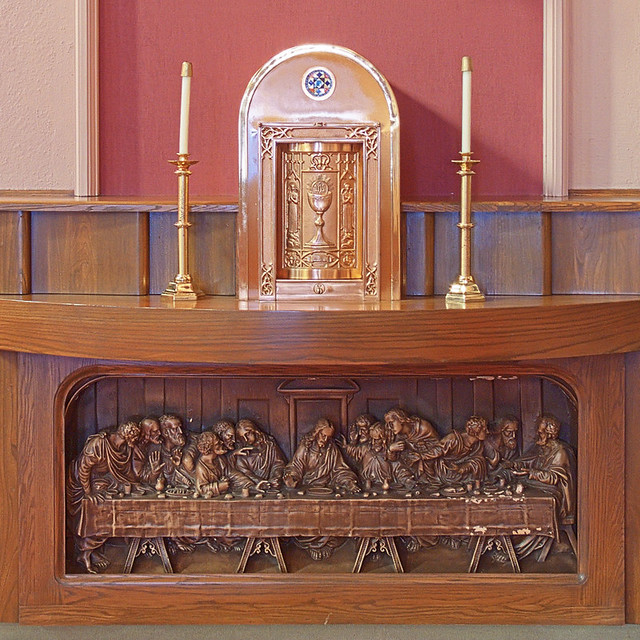
Sacred Heart Roman Catholic Church, in Crystal City, Missouri, USA - Tabernacle and Last Supper

Sacred Heart Church, in Crystal City, Missouri. October, 2007. This is modeled after Leonardo daVinci's famed Last Supper fresco.

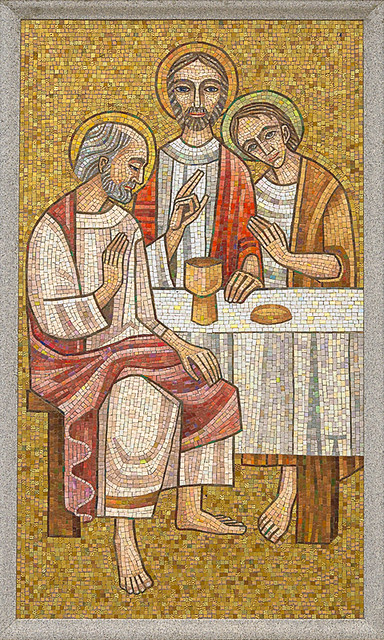
Resurrection Cemetery, in Affton, Missouri, USA - mosaic of the Last Supper

Resurrection Cemetery, in Affton, Missouri. March, 2011. We see Saints Peter and John here.

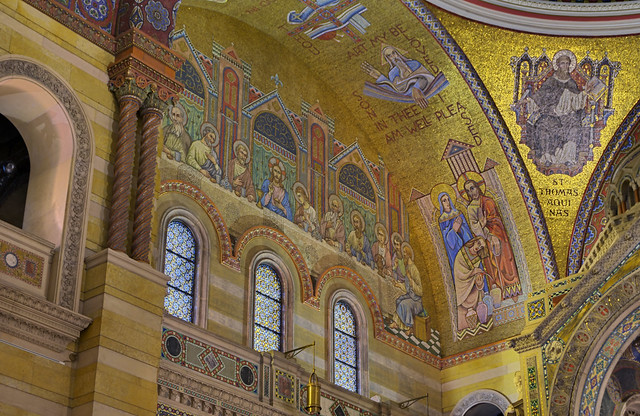
Cathedral Basilica of Saint Louis, in Saint Louis, Missouri, USA - mosaic of Last Supper in sanctuary

Cathedral Basilica of Saint Louis. January, 2010.

Saint Francis de Sales Oratory, in Saint Louis, Missouri, USA - Detail of Last Supper

Saint Francis de Sales Oratory, in Saint Louis. February, 2012.

The Last Supper cannot be understood unless we have a good knowledge of the Jewish Passover, the great festival of the liberation of the Jews from slavery in Egypt. Likewise, the Last Supper reveals to us the fulfillment of the Passover in the Church, as the liberation of humanity from the slavery of sin. This analogical or typological understanding of scripture is often found in church art: at the Cathedral Basilica of Saint Louis, the mosaics opposite to the Last Supper  depicts Old Testament types of Christ,  seen here.

Wednesday, April 04, 2012

Veritas Liberabit Vos

I’VE LONG NOTICED that biology is an attractive field of study for people who like science, but don't understand mathematics. Likewise, physics is attractive to those who are good at math, but don’t understand philosophy.

I got a degree in physics from Caltech, which is an excellent school, but I went for four years without knowing that the world ‘physics’ is from the ancient Greek φύσις (physis) meaning “nature.” Perhaps someone may have mentioned that fact, but as Caltech was akin to trying to get a sip of water from a fire hose, I didn’t explicitly learn it until I started learning philosophy in my adulthood, after my entry into Holy Mother Church. Now, the ancients would have thought this to be a silly order of gaining knowledge — certainly, you have to learn mathematics first, then philosophy, and only after philosophy is a person really ready for professional scientific studies. Sadly, part of the reason for the change is that philosophy these days is often too terribly dry and dead: scholars point out the differences between the various philosophical systems, show how one philosopher influenced another, and so forth. It is not taught as a living and supremely important tool for living the good life. Modern philosophy shows no love for wisdom, nor does it seek out the truth.
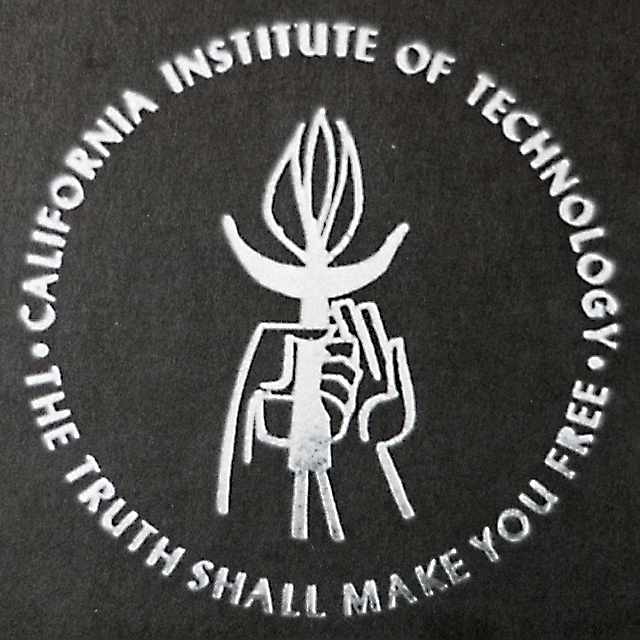
Old Caltech logo "The Truth Shall Set You Free"

This was Caltech’s logo when I started going there. Note the quote from the Gospel, John 8:32: “The truth shall make you free.” The passage in context has Our Lord teaching at the Temple in Jerusalem:
31 Jesus then said to those Jews who believed in him, “If you remain in my word, you will truly be my disciples,
32 and you will know the truth, and the truth will set you free.”
33 They answered him, “We are descendants of Abraham and have never been enslaved to anyone. How can you say, ‘You will become free’?”
34 Jesus answered them, “Amen, amen, I say to you, everyone who commits sin is a slave of sin.
35 A slave does not remain in a household forever, but a son always remains.
36 So if a son frees you, then you will truly be free.”

[New American Bible]
The school’s current logo omits the quote from sacred scripture, and instead adds the year of the school’s founding, 1891. I recall the controversy over the logo change: the quote was removed, and also omitted was the second hand, shown on the right, receiving the torch.

Oddly enough, the removal of the hand was rather controversial. Please recall that the phrase “carrying a torch,” since it is usually is understood to be a symbol of sentimental unrequited love, has quite a different meaning from “passing on the torch,” which is symbolic of the transfer of knowledge, tradition, and responsibility from an older generation to a younger. The powers that be relented on the torch, but not on the quote.

Atheism back in those days was generally more humble than the aggressive, divisive atheism we find today. I do not recall anyone saying that they were offended by the Christian source of the quote, but instead some liberal humanities professors, supporting the change, argued from the point of view of Postmodernism, saying, like Pontius Pilate, that there is no truth. This is not a good philosophy for a school of the sciences and engineering, but sadly this philosophy is now found in public science policy, which seems more intent on the consolidation of power than on finding the truth.

Finding the truth is very difficult, but it is worthwhile, a worthy pursuit for men who truly want to be free. As mentioned, many physicists (and also mathematicians) are very good at finding the truth, but are often bad at philosophy. This is a shame. That we have today a field of inquiry called ‘physics’ is due to the work of the philosopher Aristotle, as well as due to the work of the medieval schoolmen, most specifically the philosophers Saint Albert the Great, Saint Thomas Aquinas, and other Dominicans and Franciscans. ‘Physics’ was the title given to one of Aristotle’s books, and his methodology, filtered and purified through the Church, led to the scientific revolution in the modern period. One of Saint Albert’s considerations was that natural science ought to properly seek out the “immanent causes” found within nature herself, and not conflate the matter with God’s will. Many religions will state that a rock drops because it is God’s direct will that it do so. Catholicism, on the other hand, teaches that the world was created by God in due order as a reflection of His goodness, justice, and wisdom. She teaches that God does not interfere with the natural created order unless a greater good comes from it. An apple will fall from a tree to the ground due to gravity, unless God wills it otherwise — and miracles of this sort are presumably rare. Science therefore can be done without recourse to religion, but science does not exist without a religious and philosophical understanding. Aristotle, although pagan, came from a school of thought that understood the existence of the Supreme Being, the Source of all that is good, just, and wise, and for this reason we understand that there is a rational order that we can investigate via science.
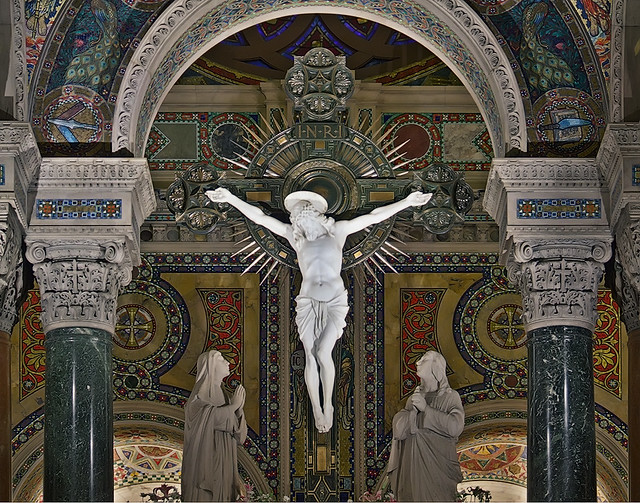
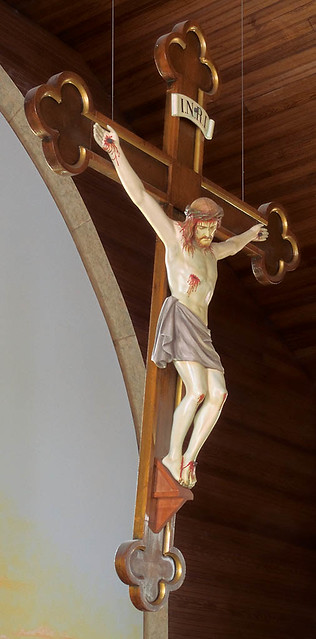
Besides the orthodox Catholic view of Aristotle and science, which took what is good and true in the pagan writings and rejected that which is false, there came about other schools of thought. One became skeptical of all pagan writings, and from this we got the Reformation with its general distrust or rejection of philosophy. Marxism, with its hatred of truth, also derives from this skeptical school of thought. The other school accepted too much of what was in Aristotle, including the notion of an eternal cosmos: but that became the standard understanding of many physicists in the modern era.

The belief that the inductive method is the only valid method of discovering knowledge is also derived from Aristotle, but insisting on this method alone can lead scientists far from the truth in difficult cases where science meets philosophy. But even Aristotle describes at least three methods: deductive, inductive, and abductive reasoning (ever hear of this?), as well as reasoning through analogy. All of these methods are important for good science reasoning.

The book by Aristotle that comes after his book Physics is titled Metaphysics, which simply means “the things after physics.” But metaphysics is a “dirty” word to most contemporary physicists; science, they claim, stops at physics. Metaphysics, in its traditional definition (but not in the contemporary New Age use) is a perfectly respectable field of study, for it asks the questions “what exists?” and “what is it like?” Alas, when the Church largely abandoned the study of metaphysics during the 20th century, nature abhors a vacuum, and so unreliable religions filled the void. We ought to be grateful that metaphysics has again been taken up by the Church in many of her seminaries, for not only theology but the natural sciences could benefit from that study. Physicists and mathematicians ought to realize that metaphysics is a subject higher and prior to theirs. Debate about the Standard Model of physics is largely a metaphysical problem, as are discussions about the meaning of the otherwise accepted Quantum Mechanics. Contemporary physics has reached a plateau, with progress being slight these days; a rediscovery of proper metaphysics has the potential of greatly expanding the knowledge in those fields, and I think that Catholic philosophers ought to take up again the study of the philosophy of science. See the article Ex Nihilo Nihil Fit for a discussion of some controversies in current physics, where bad philosophy is explored.

One particular thing claimed is that quantum mechanics predicts that matter can be made ex nihilo out of a vacuum. The whole idea of a vacuum was hotly debated during the Middle Ages, with some claiming that the existence of such a thing is impossible, that a vacuum would be a place without the presence of God. But rather we ought to consider that space and time are also made by God, not absolute but created things, and even if space is empty, space itself gets its existence from the Creation. But Quantum Mechanics does not posit the existence of a pure void: ‘empty’ space is truly active and has its own structure and potentialities, as we ought to expect from these philosophical considerations. So the claim of quantum mechanical ex nihilo creation of matter is not to be taken seriously. The other major theory in physics, General Relativity, posits the idea that space and time are contingent and not absolute, which was something believed even by the ancient Rabbis of the Old Testament period. That Jews at one time were typically the leading mathematicians and physicists of their era should not be surprising, nor the fact that Catholics led those fields at other times, likely because they had a strong grounding in philosophy and a better understanding of the role of science.

My own studies at Caltech suffered because I did not have a grounding in philosophy — but that is par for the course in our era. I also had a poor grounding in mathematics — while I knew the advanced stuff, like the calculus, I didn’t know the extreme basics of the field, like the foundations of number theory and geometry as were discovered by the ancient Greeks. This misunderstanding leads to all sorts of mischief and poor mathematical constructs in physics; while not exactly wrong, poor mathematical ideas can be misleading, and prevent scientists from quickly seeing true underlying relationships.

I am pleased to see that Caltech now has a Cardinal Newman Center. Back in my day, many Catholic students fell away from the faith due to the lack of practice and community; although I’ve learned via Facebook that many have come back since then (I fell away from Lutheranism because of the same lack of practice and community). Let us hope that the center will help strengthen their faith, as well as help them become better scientists. The truth shall set you free.